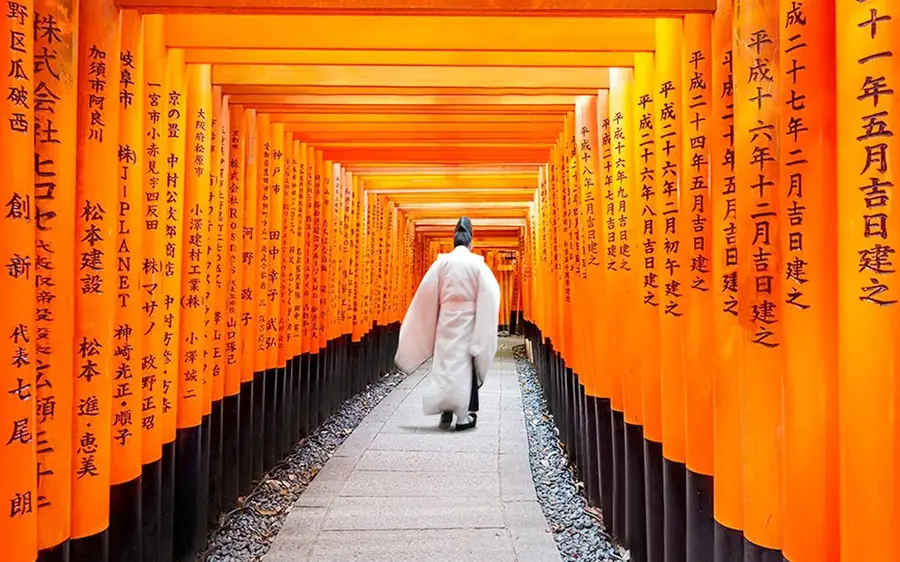
Our top pickCheapest here
9–10 hNara, Fushimi Inari & Arashiyama Bus Tour
★ 4.8 · 3 168 reviews
- 9 to 10 hours, from Osaka or Kyoto
- Nara’s tame deer
- Cheapest here
- Free cancellation
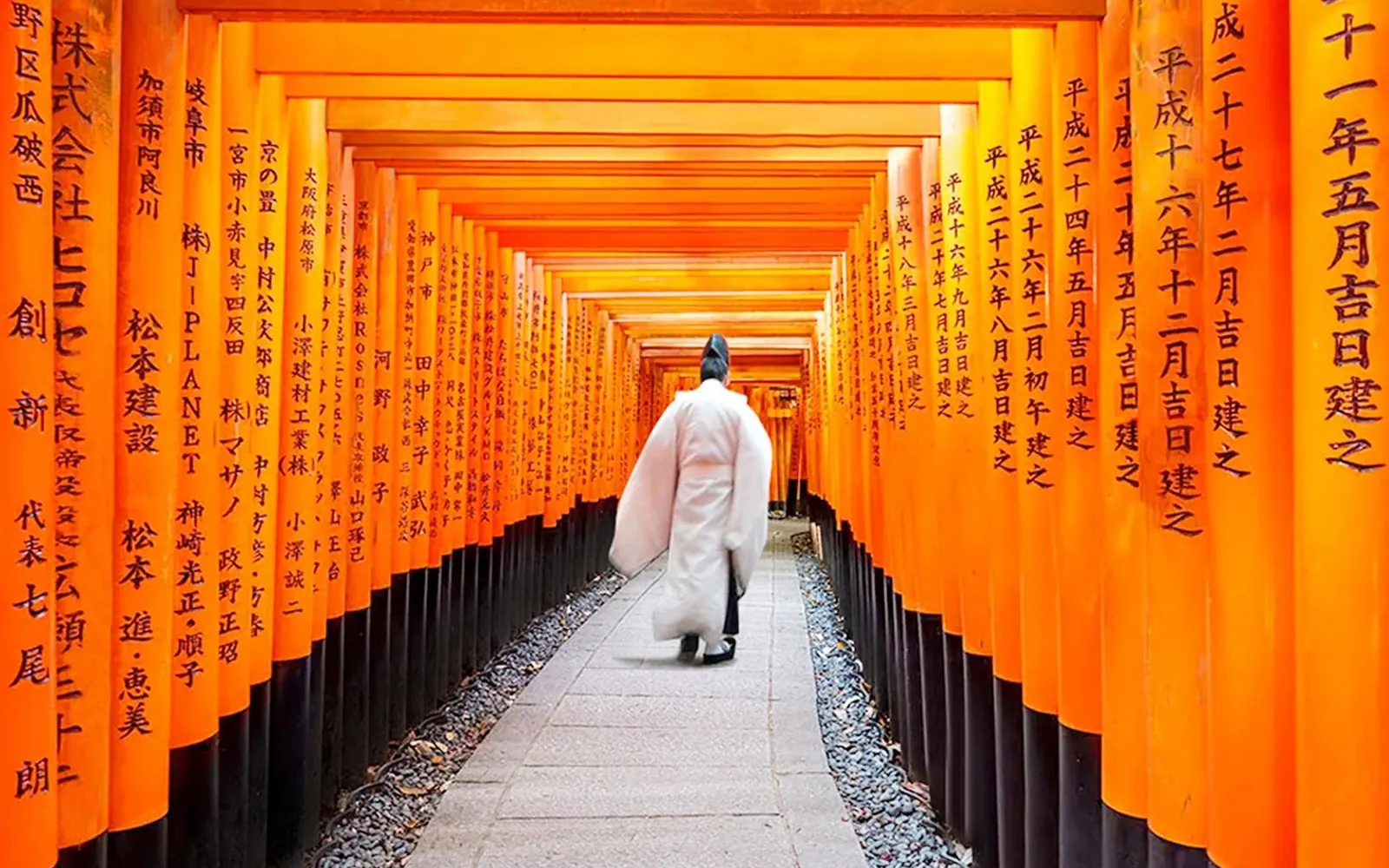
Fushimi Inari Taisha offers a quieter walk through its vermilion gates at dawn. We compared 12 tours, from $50, with free cancellation, and the top option scores 4.8 from 5297 reviews. Morning light on the torii tunnels makes the climb to Mount Inari feel calm.
From, per person
12 tours compared$50
Today's lowest price across all 12 tours
Average rating
All 12 tours48
12,289 verified reviews across 12 tours
Your day
Shortest to longest35–11h
Shortest: Fushimi Inari & Bamboo
Longest: Nijo & Bamboo Grove
Everything you can book here
The shrine itself is free. These are the days built around it — sorted by price, cheapest first, with the other stops listed beside each one, because that is what you are actually paying for.
★ 4.8 · 3 168 reviews
★ 4.9 · 1 597 reviews
★ 4.7 · 761 reviews
★ 4.5 · 23 reviews
★ 4.9 · 6 reviews
★ 5.0 · 72 reviews
★ 4.9 · 194 reviews
★ 4.8 · 5 297 reviews

★ 4.9 · 56 reviews
★ 4.8 · 523 reviews
★ 4.9 · 121 reviews
★ 4.6 · 471 reviews
Two questions
Twelve tours, and they are not twelve versions of the same day. One is an early start that gets you under the gates before anyone else, one is a coach that reaches Nara and Arashiyama as well, one includes every entry ticket and lunch, and two put a guide and a car at your disposal. Pick what you actually want from the day and we will point at one.
See it before you go
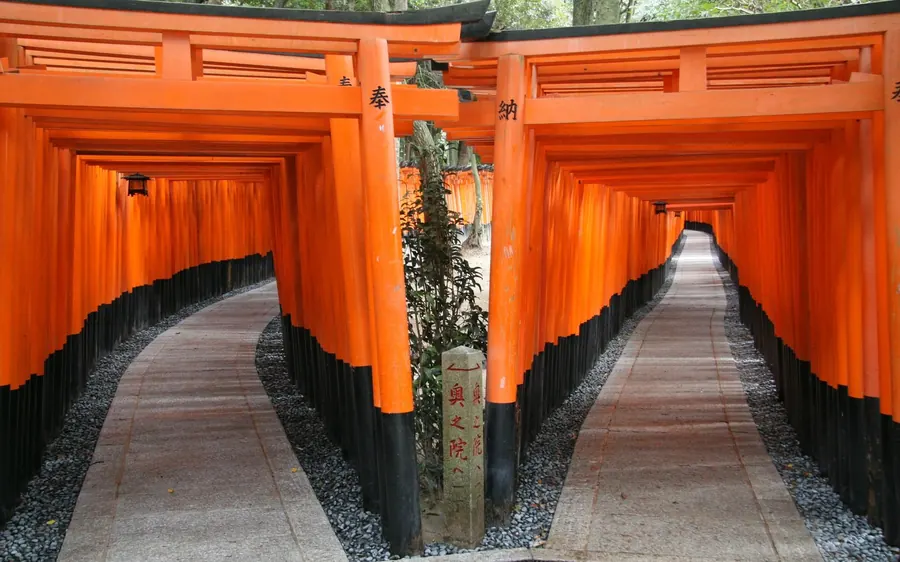
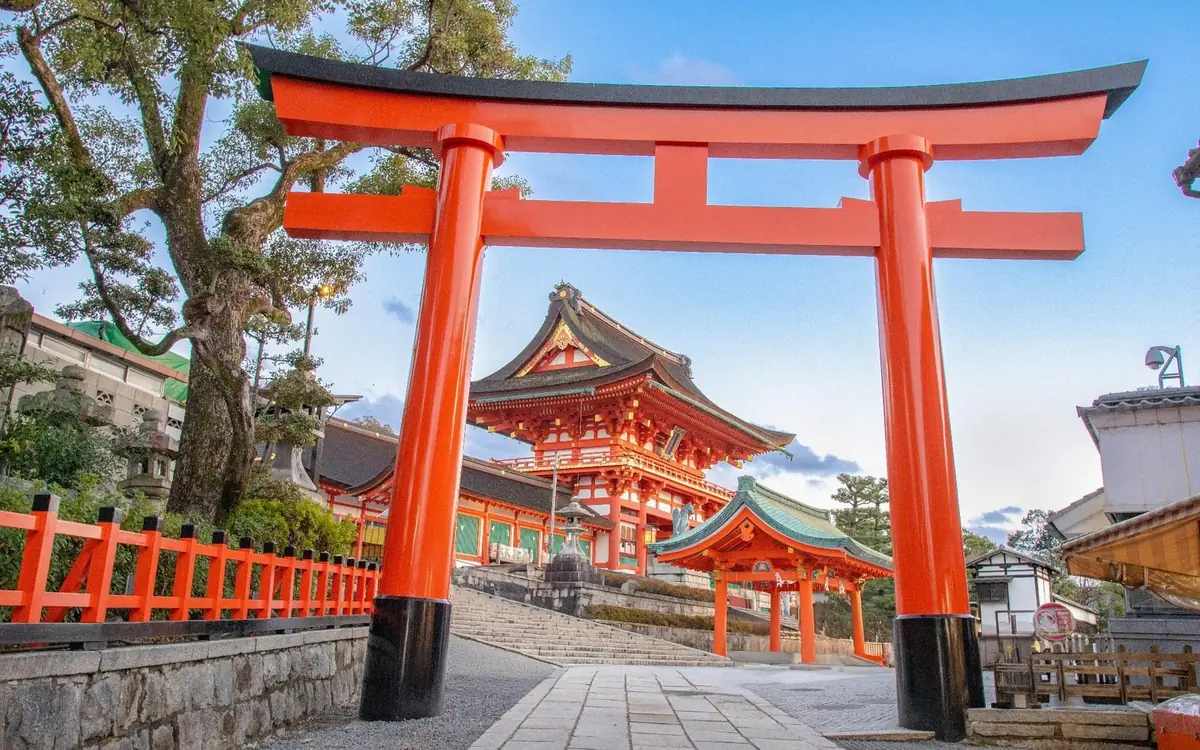
A vermilion gate the height of a house, a courtyard, and then the thing everyone comes for: two tunnels of torii so close together that the daylight between them turns orange. Behind that, four kilometres of mountain path that almost nobody walks to the end.
Side by side
You can see Fushimi Inari Taisha for nothing, and plenty of people should. What the money buys is time and reach: a bus that adds Nara and Arashiyama in one day, or a car and a guide who shapes the day around you. Here is what each tier gives you.
Swipe the table sideways →
| MOST BOOKEDNara, Fushimi Inari & Arashiyama Bus Tour | Early Morning Fushimi Inari & Arashiyama | Customized Private Tour with Licensed Guide | |
|---|---|---|---|
| Price per person | $50 | $62 | $201 |
| How long it runs | 9–10 hours | 6 hours | 4–8 hours |
| Cost per hour | $5.26 | $10.33 | $33.50 |
| Other stops | Nara and Arashiyama | Arashiyama and Kinkakuji | Whatever you choose |
| At the gates by | Mid-morning | Before the crowd | Your call |
| Where | Leaves from Osaka or Kyoto | Leaves from central Kyoto | Picks you up where you are staying |
| Who runs it | A coach, a guide and a fixed route | A small group, out before the crowd | A nationally licensed guide, just for you |
| Group size | Timed entry, larger | Small group | Very small |
| Rating | 4.8 · 3,168 | 4.9 · 1,597 | 4.8 · 523 |
| Best for | A first trip to Kansai | Photographs without people | A second visit, or a family |
| Book this one→ | Check dates | Check dates |
Free cancellation up to 24 h · Reserve now, pay later
Verdict
It is the cheapest tour on this page and the only one that reaches all three of the sights people fly into Kansai for — the torii tunnels, the Nara deer and the Arashiyama bamboo — in a single day, from either Osaka or Kyoto. 3,168 reviews at 4.8. The one reason to pay more instead is the early-morning tour: it is the only listing here that gets you under the gates before the crowd arrives, and on a first visit that photograph is worth the difference.
Check dates and availability→Before you book
A 4.9 from 121 people is not the same claim as 4.8 from 5,297, and the listings present them identically. Six of the twelve tours on this page have under two hundred ratings. They may well be excellent — a new listing has to start somewhere — but at three times the price of something with thousands of reviews the risk is one-sided. We print the count beside every score for exactly this reason.
Two-minute check
The shrine is free, so the only real question is what the day around it should contain. Three answers narrow twelve tours to one: how many days you have in Kyoto, what you are willing to spend, and whether an empty gate tunnel matters more to you than the price.
How long are you in Kyoto?This decides more than budget does
What are you willing to spend?Per person, entry included
How much does the crowd bother you?The question nobody asks and everybody should
You'll get the tour that fits, the one thing about it that catches people out, and an honest word about how much evidence its rating rests on.
Twelve kinds of day
Ratings are the operators’ own numbers on GetYourGuide, shown as published. We do not write reviews and we do not average other people’s into a score of our own. Where a tour has only a hundred or so ratings, we say so on the card.
★★★★★
Based on 12,289
verified reviews
All twelve tours on this page, rated by the people who took them on GetYourGuide.
Read all 12,289→Nara, Fushimi Inari & Arashiyama Bus Tour
From $50 · 3,168 reviews
★★★★★
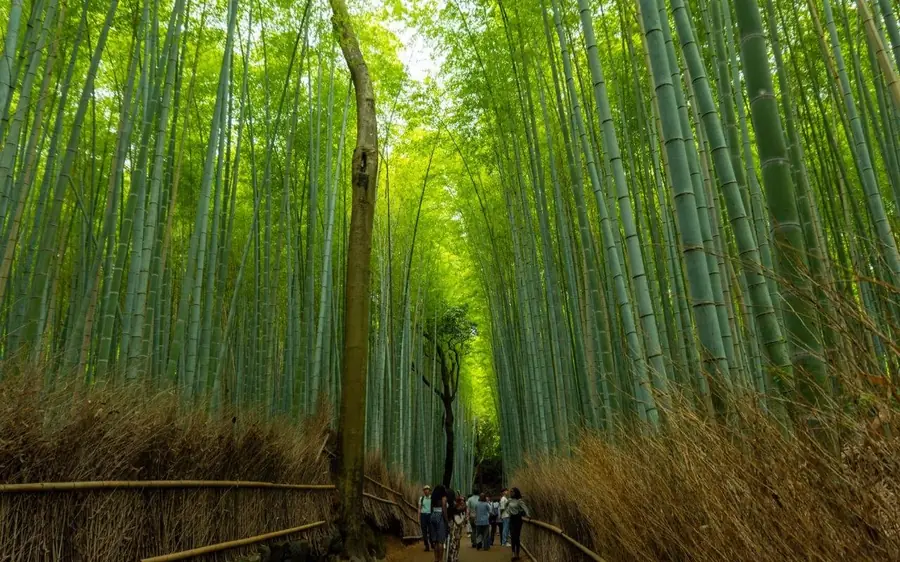
One coach, three sights: the torii tunnels at Fushimi Inari, the tame deer at Nara and the bamboo at Arashiyama. Rated 4.8 across 3,168 reviews, and the lowest price on this page — which is why it is the top pick rather than the compromise.
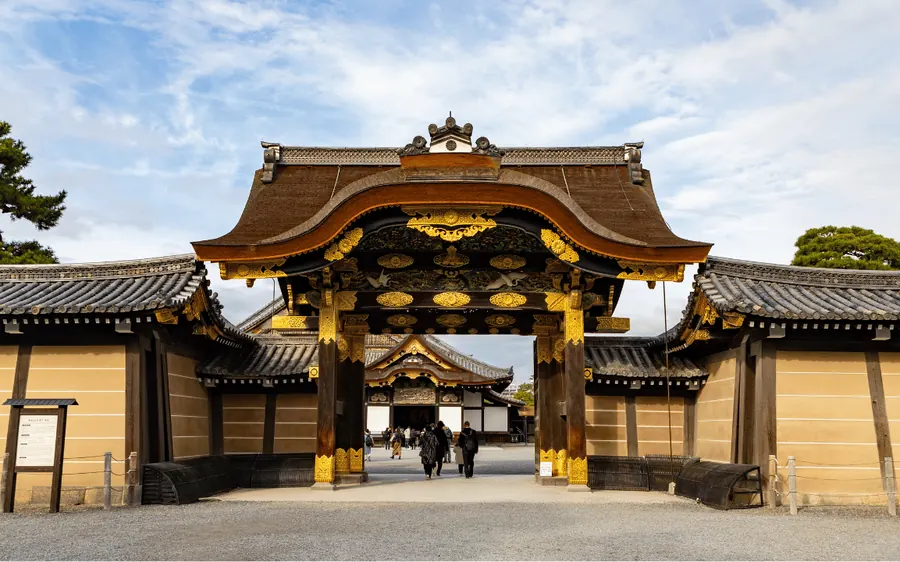
Early Morning Fushimi Inari & Arashiyama
From $62 · 1,597 reviews
★★★★★
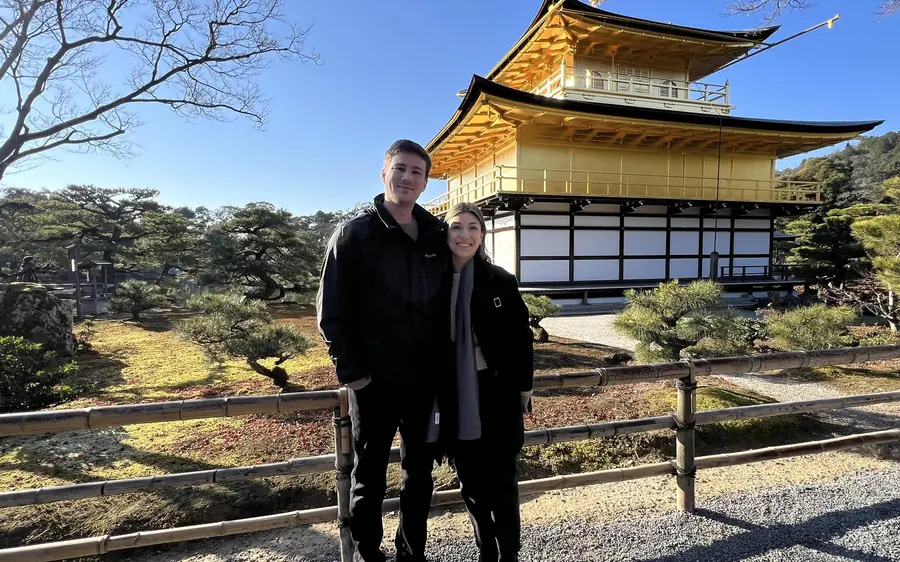
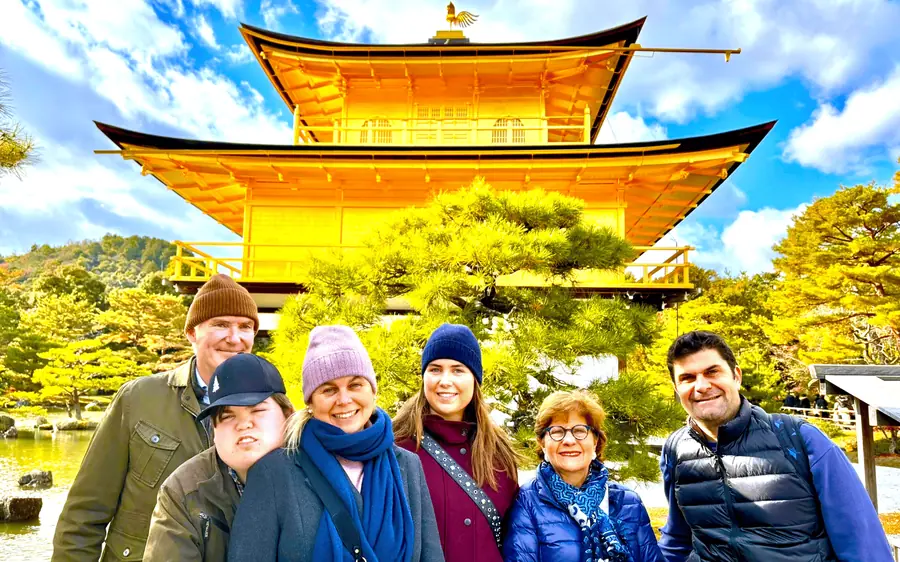
Six hours that begin early enough to walk the Senbon Torii while it is still empty, then carry on to Arashiyama and Kinkakuji. Rated 4.9 across 1,597 reviews — the highest score here, and the reason is in every photograph people bring back.
Fushimi Inari, Kinkakuji & Bamboo Grove
From $93 · 5,297 reviews
★★★★★
Kiyomizu, Sanjusangendo, Tenryuji, the bamboo grove, Kinkakuji and Fushimi Inari, with the entry tickets and a Japanese buffet inside the price. 5,297 reviews — more than any other listing here, and by a wide margin.
Kyoto Full-Course: 10 Must-Sees
From $92 · 194 reviews
★★★★★
Ten stops in nine and a half hours, hidden corners included, with Fushimi Inari among them. Rated 4.9, though from 194 reviews so far — a young listing rather than a doubtful one.
Customized Private Tour with Licensed Guide
From $201 · rated 4.8
★★★★★
A nationally licensed guide for four to eight hours, and the itinerary is a conversation rather than a printout. This is the version for a second visit, when you already know which part of the mountain you want to climb.
Private Highlights Tour with Guide and Vehicle
From $415 · the highest price here
★★★★☆
A private vehicle and driver for a full day, so the distance between Fushimi Inari and the other side of Kyoto stops being a problem. It is a vehicle price rather than a per-head one, which changes the arithmetic for a family of four.
What it really costs
Nothing, if you go alone: no ticket, no gate, no closing time. The train from Kyoto Station is $1.10 and takes five minutes. Everything below that number is what a guided day costs, and why people pay it.
Swipe sideways →
| What you are paying for | Price | What you get | Cancellation |
|---|---|---|---|
| The shrine itself | Free | No ticket, no gate, open 24 hours, 365 days | Train from Kyoto Station ~5 min |
| A shared bus day | $50–$93 | Fushimi Inari plus Nara, Arashiyama or Kinkakuji | Free cancellation 24 h |
| A private guide and car | $201–$415 | Your own pace, your own stops, hotel pickup | Free cancellation 24 h |
The honest answer
If Fushimi Inari is the only thing you want, walk in and save the money — that is the honest answer. A tour earns its price when it adds what you cannot do on foot: an arrival before eight, or Nara and Arashiyama on the same day without three train changes and a timetable.
The visit, gate by gate
Two stops on the JR Nara Line from Kyoto Station, about five minutes, and Inari station puts you at the gate. The Keihan line drops you five minutes away on the other side.
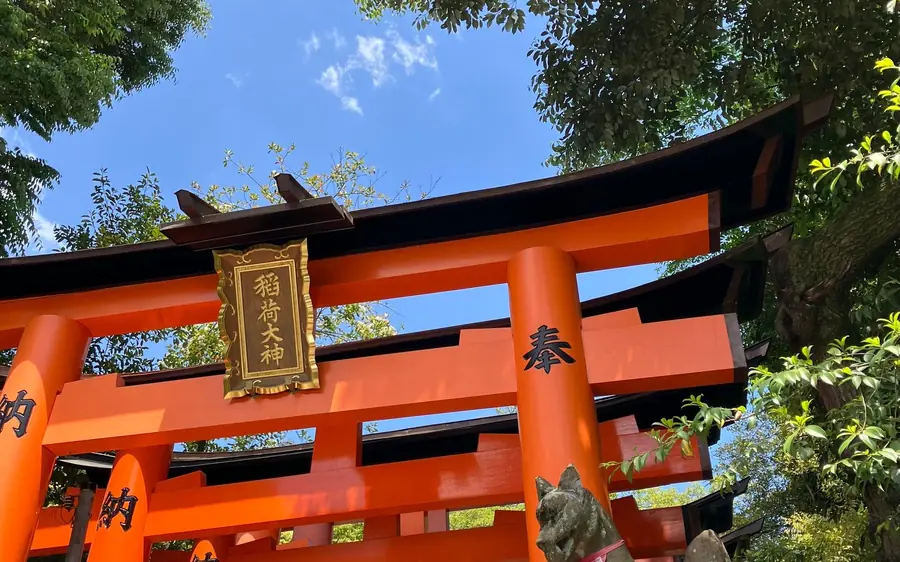
A vermilion gate the height of a house, donated in 1589. Two stone foxes flank it, and one of them is holding a key in its mouth.
Rebuilt in 1499 after the Onin War burned the earlier one. This is where people actually pray, and where most of the tour groups stop.
Behind the hall the path splits into two parallel tunnels of gates set so close together the light between them turns orange. This is the photograph.
A pair of stone lanterns. Lift the top of one after making a wish: lighter than you expected means yes, heavier means not yet.
A crossroads roughly halfway up, thirty to forty-five minutes of steps, and the first place the trees open onto Kyoto. Most people turn around here, and that is a reasonable decision.
Two hundred and thirty-three metres, a full loop of about four kilometres, and almost nobody on it. There is no view at the top — the reward is the emptiness.
The one decision that matters
Nothing else about a visit to Fushimi Inari Taisha changes it as much as the hour on the clock. The shrine has no gate and no closing time, so the crowd is the only thing regulating it, and the crowd is entirely predictable: it arrives around eight in the morning with the first coaches and does not thin until the late afternoon. Between ten and three the Senbon Torii is a queue moving at walking pace. At seven in the morning the same hundred metres is silent, and at eight in the evening it is lit by lanterns with perhaps twenty people on it. Same shrine, same gates, no ticket either way — and two completely different memories.
Four parts of the visit
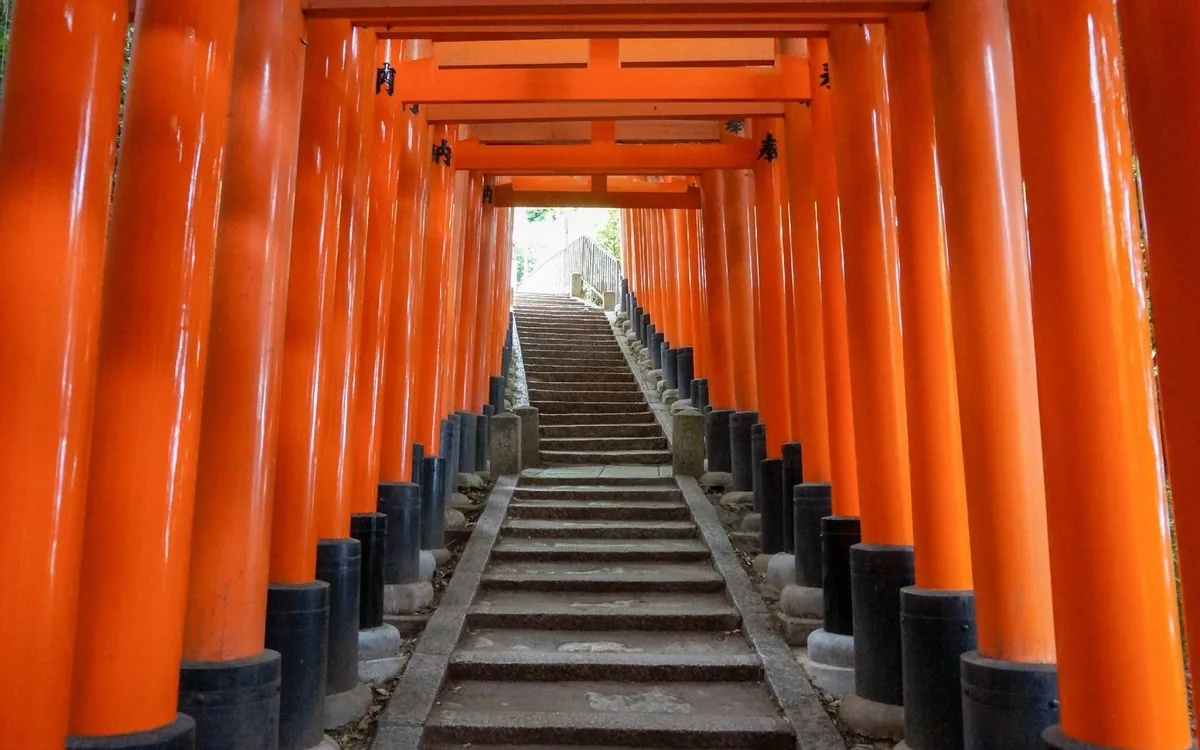
Over a thousand gates in the dense section alone, packed shoulder to shoulder.
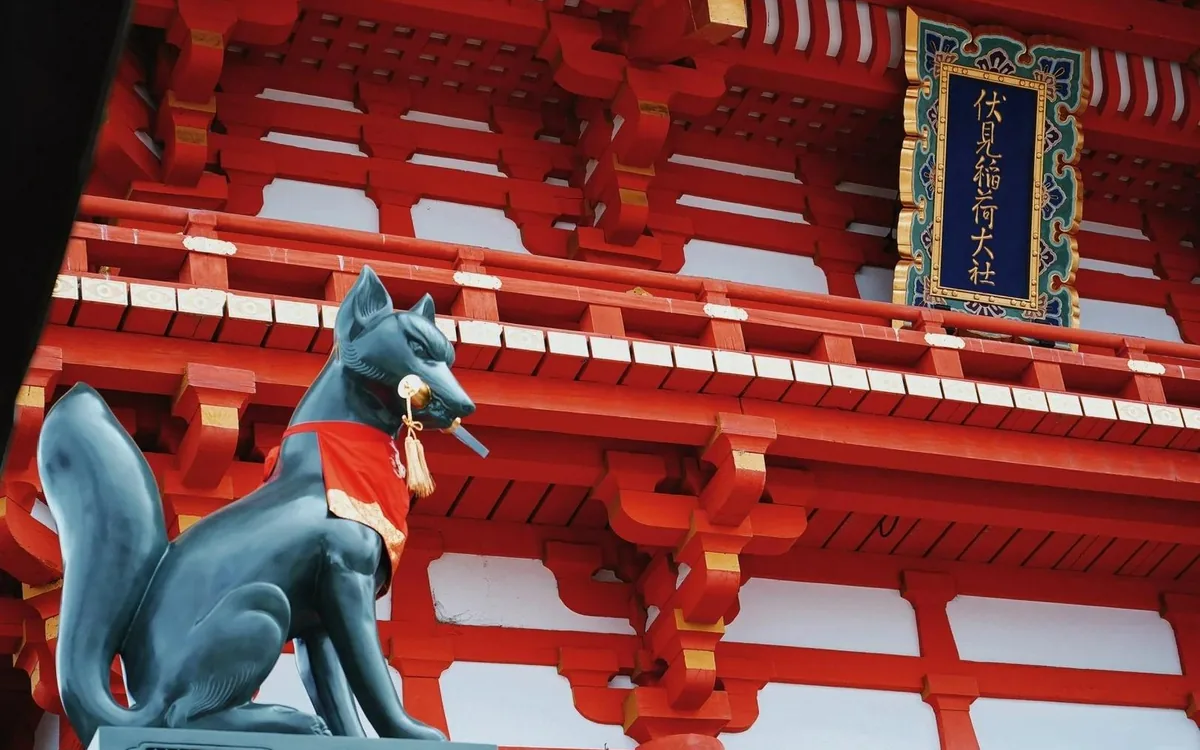
Messengers of Inari. The key in the mouth opens the rice granary.
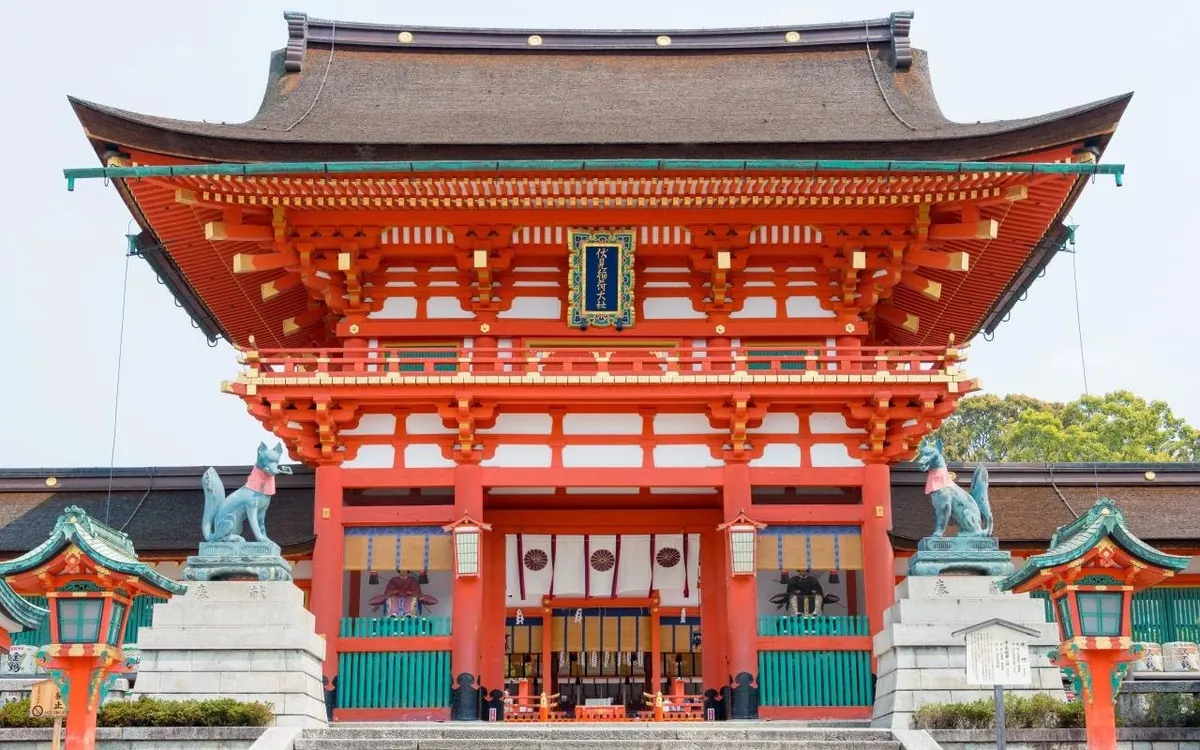
The entrance, donated in 1589 and rebuilt since. Everything begins here.
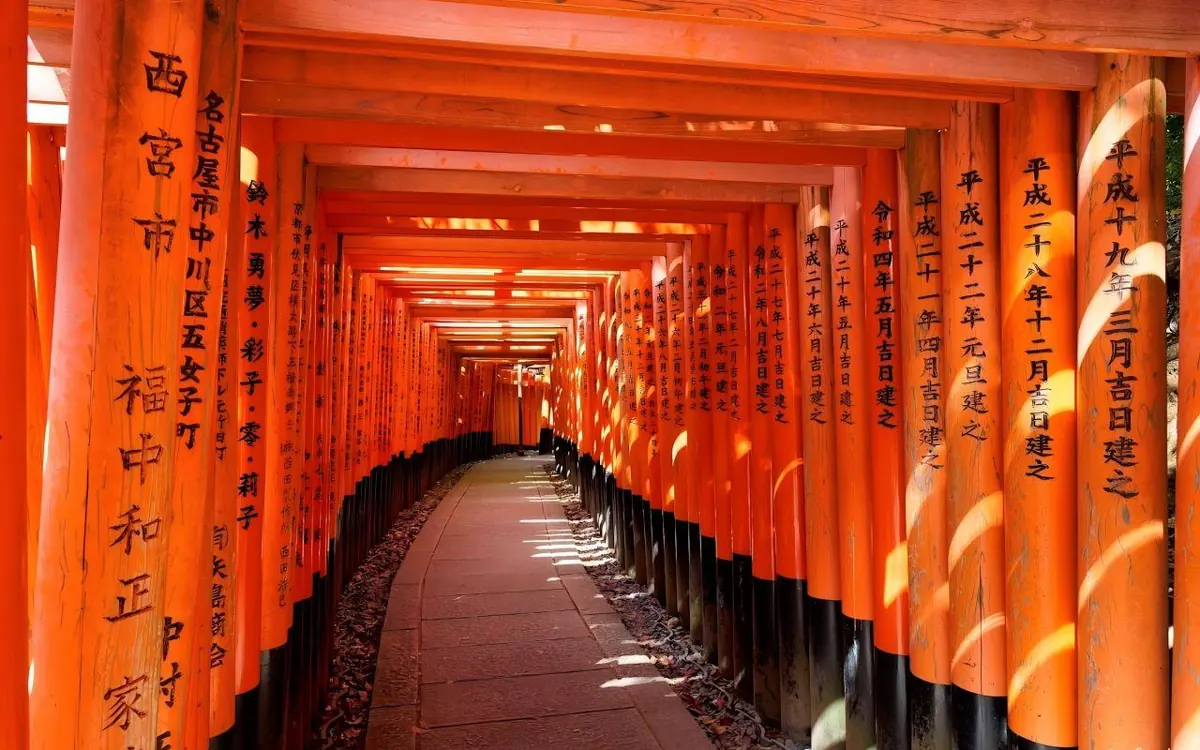
Four kilometres of path above the tunnels, and hardly anyone on it.
Start here
Here is the thing most pages about this place bury four screens down, so it goes first: Fushimi Inari Taisha is free. There is no ticket office, no gate that shuts, and no closing time. You can walk in at four in the afternoon with a tour group or at four in the morning entirely alone, and nobody will stop you either time.
That single fact changes what you should be shopping for. Nobody sells entry to Fushimi Inari, because entry cannot be sold. What the tours on this page sell is a day: the hour you arrive, the sights you reach afterwards, and somebody who can tell you what you are looking at.
And there is a great deal to be told. The shrine was founded in 711 by the Hata clan and moved to the foot of this mountain in 816. It is the head shrine of roughly thirty thousand Inari shrines across Japan — more than any other dedication in the country — and Inari is the deity of rice, and by extension of prosperity, and by extension again of business.
Which is why there are ten thousand gates. Every single torii on that mountain was paid for by somebody: a company, a family, a shopkeeper, in thanks for a wish granted or in hope of the next one. The black characters painted down the right-hand leg of each gate are the donor’s name and the date it was raised. A small one starts around four hundred thousand yen and the large ones near the bottom run past a million.
The dense double row immediately behind the main hall is Senbon Torii — literally “thousand torii”, and there are indeed more than a thousand in that stretch alone. It splits into two parallel tunnels and rejoins. Custom is to go up the right-hand one and come down the left. It is also, at eleven in the morning in November, one of the most crowded hundred metres in Japan.
Above it the mountain empties out fast. Yotsutsuji, a crossroads about halfway up, is thirty to forty-five minutes of stone steps from the entrance, and it is where the trees open and Kyoto appears below you. Most visitors turn around here, which is a perfectly sensible decision and the reason the upper loop is quiet.
Keep going and the full circuit of Mount Inari is about four kilometres and takes two to three hours. The summit is two hundred and thirty-three metres and, honestly, there is no view from it. What there is instead is silence, moss, small stone altars nobody photographs, and the occasional fox statue with a scroll or a jewel in its mouth, which is what the mountain feels like when the crowd is a kilometre below you.
The foxes are not decoration either. Kitsune are the messengers of Inari, and the objects they hold are a vocabulary: a key opens the rice granary, a jewel holds the spirit, a scroll carries the teaching, a sheaf of rice is the harvest itself. Once somebody points that out you stop walking past them.
If one day is all you have
Fushimi Inari takes an hour if you stop at Senbon Torii and half a day if you walk the mountain. These three use the rest of the day rather than the rest of the mountain: the Nara deer and Arashiyama on one coach, ten Kyoto sights in a single run, or an early start that has you under the gates before the first bus arrives.
Practical
Five things decide how it goes: what hour you arrive, how far up you intend to walk, what is on your feet, whether you brought water, and whether you are trying to fit Arashiyama into the same day.
The crowd arrives around eight and does not thin until late afternoon. Everything you have seen photographed without people was taken before breakfast.
No gate, no ticket, no closing time, 365 days a year. Only the amulet counter and the shops keep hours, roughly 9 am to 5 pm.
Lanterns along the lower path, orange gates against black trees, and perhaps twenty people. It is a completely different place.
That is when the coach tours, the school trips and the day-trippers from Osaka all overlap on the same hundred metres.
Hatsumode brings well over two million visitors. Worth seeing on purpose, impossible by accident.
Warm light on vermilion, the day crowd leaving, and you still get down the mountain before it is properly dark.
Behind the main hall. Two parallel tunnels; go up the right-hand one and come down the left, as everybody here does.
A crossroads roughly halfway up, and the first place the trees open onto the city. Most people turn around here.
Two to three hours at a normal pace, and it is stone steps rather than a path.
Two hundred and thirty-three metres, and the trees close over it. The reward is that almost nobody is there.
Sandals and a rented kimono are a genuinely bad combination above the first tunnel, and you will see people discovering that.
There are vending machines part way up and small teahouses at Yotsutsuji, but the mountain holds summer heat badly.
From Kyoto Station to Inari is about five minutes and around a dollar. The entrance is directly across from the station exit.
Which makes it one of the few Kyoto sights the pass is genuinely useful for.
A five-minute walk from the shrine, and the better option if you are coming from Gion or Osaka rather than Kyoto Station.
Parking is minimal and the streets around the approach are narrow. Every tour on this page arrives some other way for a reason.
Which is exactly why the coach tours pair the two, and why doing both by train alone eats an afternoon in changes.
About an hour across Kyoto. Pairing them yourself means committing to the trains; a tour absorbs that.
On eleven of the twelve tours here. The ten-stop full-course day is the exception.
Kinkakuji, Kiyomizu and Tenryuji all charge entry. Fushimi Inari does not. A tour that includes the tickets is worth more than one that does not.
Two of these have under 200 ratings. They may be excellent; there is simply less evidence.
Enough for the Romon gate, the main hall and Senbon Torii. Not enough for Yotsutsuji, and nowhere near the summit.
Everything else arrives when everybody else does. That is what you are paying the difference for.
Autumn colour and cherry blossom fill Kyoto. Book two or three weeks ahead in those windows.
Best time
The shrine never closes, so the month decides the crowd and the light rather than whether you can get in. The hour matters far more than the season.
Nov
The maple colour on the lower slopes is at its best and the light through the gates is low and warm. It is also the busiest month of the year, so this only works if you are at the first gate before eight.
Dec – Feb
Cold, clear and genuinely quiet outside the first days of January. Snow on the gates happens a few times a winter and is the single best sight this shrine offers. Beds in Kyoto are at their cheapest.
Mar – Apr
Kyoto is at its fullest. Fushimi Inari is not a blossom site, so the crowd here is spillover rather than purpose — but it is still a crowd from mid-morning on.
May – Sep
Hot and humid, and the mountain path holds the heat. Carry water and go at first light or in the last hour before dark, when the lanterns come on and the gates empty out.
1 – 3 Jan
Hatsumode brings well over two million people here in three days — the busiest shrine in western Japan. Extraordinary if that is what you came for, impossible if it is not.
Worth knowing
There is no entrance fee and there never was. Any page or reseller quoting you a price for admission to Fushimi Inari Taisha is selling you something else and hoping you will not notice.
Eight in the morning is the line. Before it, the Senbon Torii is nearly empty. After it, you are queueing for a photograph. Nothing else about your visit matters as much as this.
Go up the right-hand tunnel. The dense stretch splits into two parallel paths and rejoins a hundred metres later. Right going up, left coming down — and the left one is emptier for photographs.
The black writing on each gate is a name and a date. A donor and the day it was raised. A small torii costs around four hundred thousand yen, the big ones over a million.
Yotsutsuji is the honest turnaround. Thirty to forty-five minutes up, a view over Kyoto, and no shame in stopping. The summit has no view and adds ninety minutes.
It is open at night, and lit. The path below Yotsutsuji has lanterns, the gates glow, and there is almost nobody there. If your flight lands late, this is where to go.
Round out the trip
8.5–9 h · ★ 4.8 (5 297)
$93View 4–8 h · ★ 4.8 (523)
$201View Full day · ★ 4.9 (121)
$295ViewGo deeper
Common questions
No. Fushimi Inari Taisha is free to enter and there is no ticket office. The grounds and the mountain paths are open 24 hours a day, 365 days a year, and nobody checks anything at the entrance. The only things that keep hours are the amulet counter and the shops along the approach, roughly 9 am to 5 pm. Any site charging you for admission is selling something else.
It does not close. There is no gate, no ticket and no closing time — you can walk the lower path at three in the morning if you want to, and people do. The practical hours that matter are the crowd: the tunnels are quiet before about 8 am and after about 5 pm, and busy in between, particularly from 10 am to 3 pm.
Roughly ten thousand across the whole mountain. The famous dense stretch immediately behind the main hall is called Senbon Torii, which means “thousand torii”, and there are indeed more than a thousand in that section alone. Every gate was donated — the black characters on the right-hand leg are the donor and the date.
Twenty minutes if you photograph Senbon Torii and turn back. Thirty to forty-five minutes each way to Yotsutsuji, the crossroads about halfway up where the trees open onto Kyoto and most people stop. Two to three hours for the full four-kilometre loop of Mount Inari, which is stone steps rather than a path.
Before 8 am, without serious competition. The crowd arrives around eight and does not thin until late afternoon, and every photograph you have seen of empty orange tunnels was taken early. The second-best answer is after dark: the lower path is lit by lanterns, and there are perhaps twenty people on it.
Take the JR Nara Line two stops to Inari station — about five minutes, around a dollar, and covered by the JR Pass. The shrine entrance is directly across the road from the station exit. From Gion or Osaka the Keihan Main Line to Fushimi-Inari station is often easier; that one is a five-minute walk.
A shrine. It is Shinto, not Buddhist, which is why it has torii gates rather than a temple gate and why the guardians are foxes rather than lions. Japanese usage keeps the two words strictly apart: jinja or taisha for a Shinto shrine, tera for a Buddhist temple. English pages often blur it, which is why so many people search for the Fushimi Inari temple.
Only if it adds something you cannot do alone. The two things worth paying for are an arrival before the crowd, and reaching Nara or Arashiyama on the same day without three train changes. Tours here run from $50 to $415, and the cheapest is the one that covers the most ground.
Free · no account needed
One PDF: the map of the mountain with the four stopping points marked, the train from Kyoto Station, the hour-by-hour crowd, and the twelve tours compared on what they actually include.
The plan is on its way. If it isn't there in a minute, look in Promotions.
Why trust this page
Opening hours, the absence of an entrance fee, the gate counts and the walking times come from the shrine and from published guides, not from other affiliate pages. Prices and ratings are read off the live listings.
It would be easy to write this page as though a ticket existed. It does not, and we say so in the first line, because the pages that do not are the reason people arrive confused.
Six of the twelve tours here have under 200 ratings. We print the number beside the score every time, because 4.9 from 121 people and 4.8 from 5,297 are not the same claim.
Twelve tours, ordered by price, ranked on what they include and how much evidence stands behind the rating. We earn a commission when you book and it does not change what we recommend.
The answer
Fushimi Inari Taisha costs nothing and never closes, so do not let anyone sell you entry. What is worth paying for is the day: the coach that adds the Nara deer and the Arashiyama bamboo for $50, or the early start that puts you under the gates before the crowd for $62. Both leave the shrine itself exactly as free as it has been since 711.
Check dates and availability→ Free cancellation up to 24 hours · Reserve now, pay laterBefore you go
The mountain on one map with walking times, both train lines from the city, and the twelve tours compared on what they actually include.
Check your inbox in a minute.
or
Just show me live dates and prices →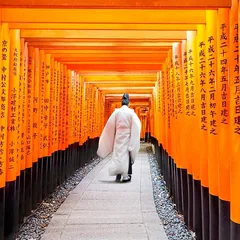
Nara, Fushimi Inari & Arashiyama Bus Tour
★ 4.8 · 3 168 reviews · Free cancellation 24 h